December 1, 2025
What Is an Estate Sale? A Step-by-Step Guide for First-Timers
Estate Sale Planning | Estate Sales

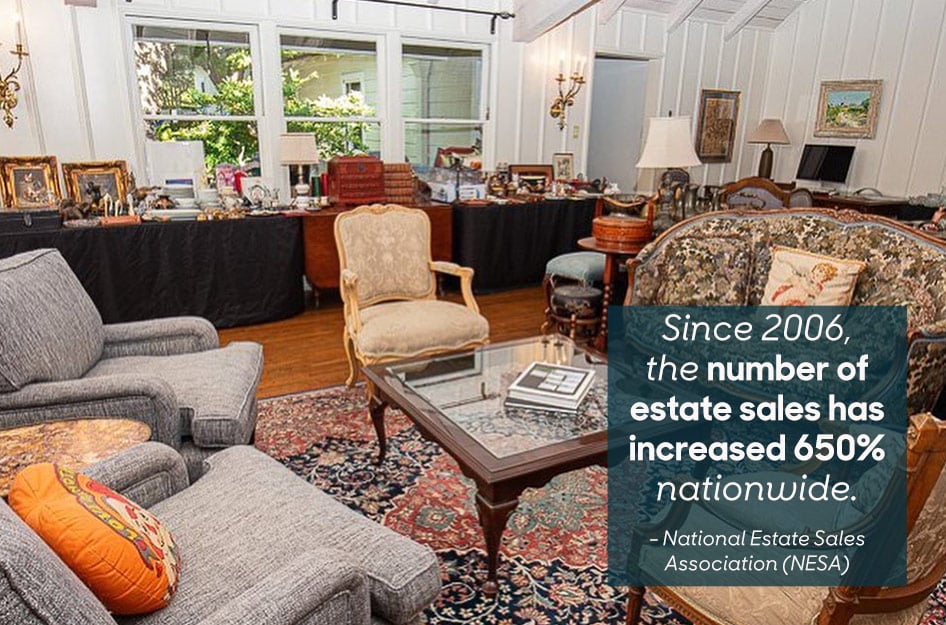
If you’ve never been through an estate sale before, you’re not alone. For many families, an estate sale happens during a major life transition—downsizing, relocation, or after the loss of a loved one. It can feel overwhelming at first, especially if you don’t know what to expect.
At Blue Moon Estate Sales, we believe clarity creates confidence. This guide walks you through what an estate sale is, how it works, and what the process looks like from start to finish—in plain language.
An estate sale is a professionally managed sale of personal property from a home. Unlike a garage sale, an estate sale typically includes most or all contents of the house, such as:
Furniture and décor
Kitchenware and household items
Collectibles and antiques
Tools, garage items, and outdoor equipment
Jewelry, art, and specialty items
Estate sales are commonly used when someone is:
Downsizing or moving
Settling an estate
Transitioning into assisted living
Handling a major life change that requires clearing a home
The process begins with an in-home consultation. During this visit, a professional estate sale team will:
Evaluate the contents of the home
Identify items with resale value
Discuss your goals, timeline, and concerns
Explain how the sale works and answer questions
There’s no obligation at this stage—this is simply about understanding whether an estate sale is the right fit.
Once you move forward, the estate sale team handles the heavy lifting. This includes:
Sorting and organizing items
Researching and pricing items at fair market value
Setting up the home for a safe and effective sale
Preparing signage and marketing materials
One important note: you do not need to clean or organize beforehand. In most cases, it’s better to leave everything as-is so nothing valuable is accidentally discarded.
A successful estate sale depends on strong visibility. Professional companies market the sale through:
Online estate sale listings
Email lists of active buyers
Social media promotion
Local signage
This attracts collectors, resellers, and everyday shoppers—maximizing turnout and results.
Estate sales typically run one to three days. During the sale, the team:
Manages all customer interactions
Handles payments and checkout
Oversees security and crowd flow
Adjusts pricing as needed
Clients are not required to be present during the sale, which often provides peace of mind during emotional or stressful situations.
Once the sale is complete, you decide what happens next. Options often include:
Donation coordination
Buyout or consignment options
Full or partial clean-out
Keeping select items
Your estate sale company helps ensure nothing is left unresolved unless you want it to be.

Since 2009, Blue Moon Estate Sales has taken customer expectations to the moon and back! We provide detail-oriented and supremely organized residential, commercial and moving estate sale services across the country. Whether you need help downsizing, respectfully rehoming the belongings of a loved one or finding high-quality estate sales in your neighborhood, we deliver an outstanding experience.