November 4, 2025
The Allure of Hobnail Milk Glass: A Timeless Treasure for Collectors
Collectables | Featured

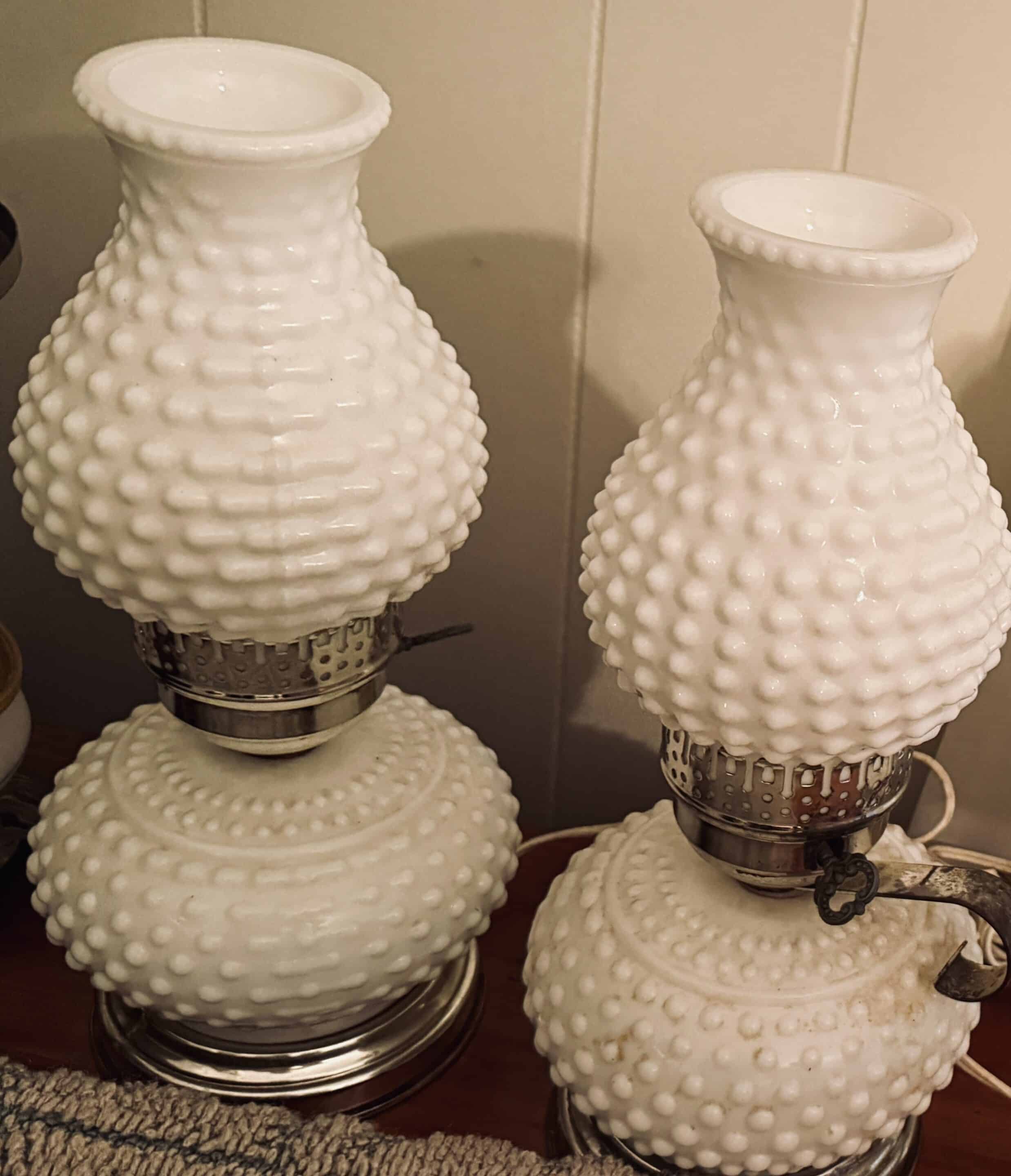
Milk glass has captivated collectors for centuries with its soft, opaque glow and refined elegance. Originating in 16th-century Venice, this milky white glass—known then as lattimo—was prized as an affordable alternative to porcelain. By the 19th century, American and European glassmakers revived milk glass production, using it for both decorative and functional home items such as vases, candy dishes, lamps, cake stands, and vanity sets.
The hallmark of milk glass is its smooth, creamy translucence, achieved by adding tin oxide or other opacifiers to molten glass. This technique gives it that signature glow that catches light beautifully without being transparent.
Among the many patterns found in vintage milk glass, pieces featuring raised bumps or beaded textures—often described as hobnail, bubble, or beaded designs—remain especially beloved. These tactile patterns create a soft interplay of light and shadow, highlighting the craftsmanship behind each mold.
Different manufacturers offered their own versions throughout the 20th century:
Westmoreland Glass Company produced beaded and quilted motifs that became household favorites.
Anchor Hocking and Indiana Glass popularized raised patterns in tableware and décor items.
Many unmarked pieces from the 1930s–1960s were sold through department stores and mail-order catalogs, adding to their nostalgic charm today.
Collectors prize raised-bump milk glass not only for its delicate beauty but for the artistry and skill required to achieve such texture and uniformity.
Raised-bump milk glass offers a timeless blend of vintage appeal and modern versatility. Its clean white color complements nearly any décor—from farmhouse and cottage styles to minimalist modern interiors.
Collectors and decorators alike use these pieces for:
Showcasing fresh flowers or seasonal greens
Serving candies or desserts at gatherings
Adding subtle texture and elegance to shelves and sideboards
Even a small grouping of milk glass instantly elevates a room, catching the light in ways that feel both nostalgic and fresh.
Values for raised-bump milk glass can vary depending on age, maker, and condition:
Common pieces such as small vases or compotes generally range from $10–$40.
Larger or lidded pieces, especially those with intricate mold detail or pedestal bases, can bring $50–$100 or more.
Unique shapes or complete matching sets may attract higher prices at estate sales or vintage markets.
While many pieces remain affordably collectible, their appeal goes beyond price—these designs represent a golden age of American homecraft, when even the simplest objects were made with care and artistry.
If you’ve fallen in love with the timeless charm of milk glass, don’t miss our upcoming Estate Sale in Historic Seminole Heights. We’ll be featuring three exquisite milk glass lamps and a selection of vase-style pieces, each with that distinctive raised-bump texture collectors adore.
These treasures, along with an array of vintage home décor and furnishings, will be available for purchase during the sale—perfect for anyone looking to add a touch of vintage elegance to their home.

Since 2009, Blue Moon Estate Sales has taken customer expectations to the moon and back! We provide detail-oriented and supremely organized residential, commercial and moving estate sale services across the country. Whether you need help downsizing, respectfully rehoming the belongings of a loved one or finding high-quality estate sales in your neighborhood, we deliver an outstanding experience.